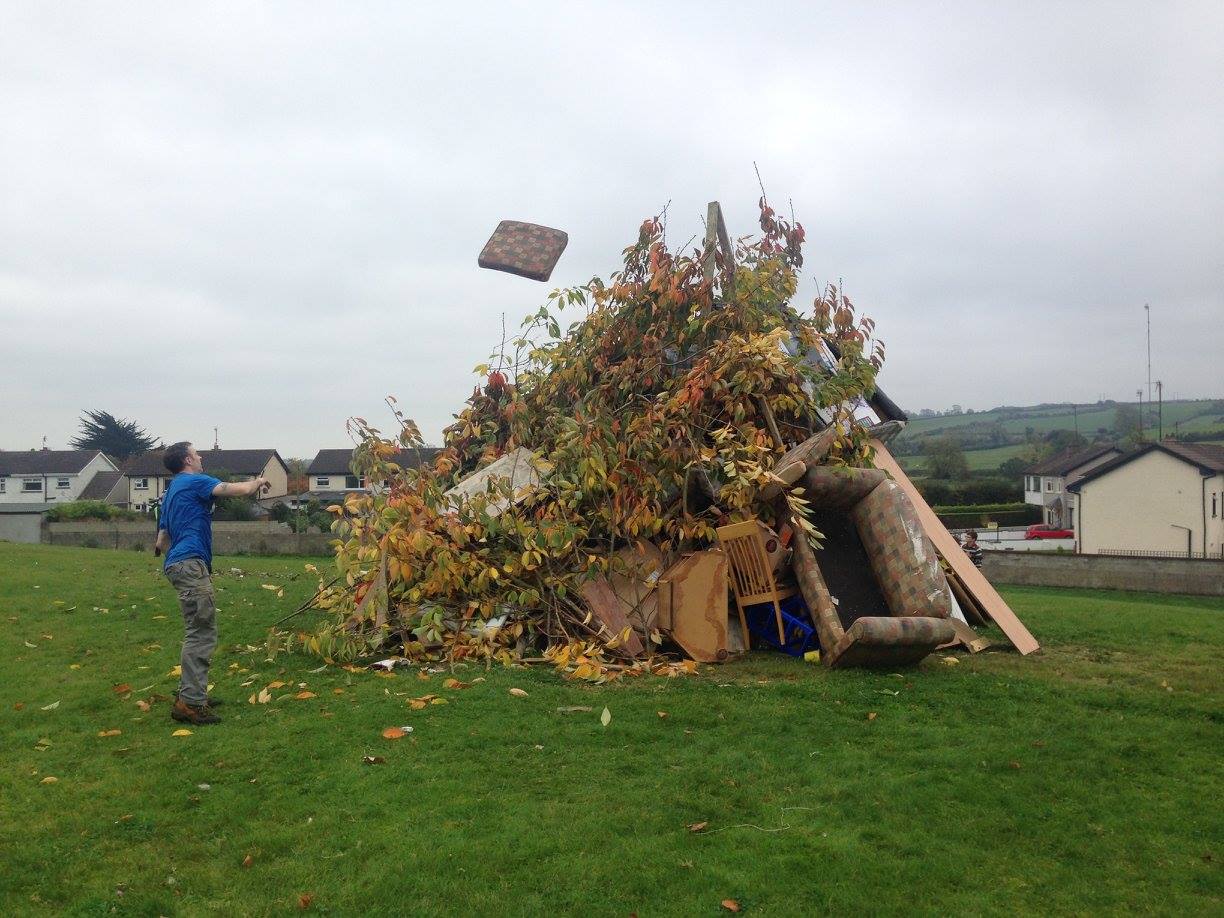
Many historians and others believe Halloween originated over 2,000 years ago as the ancient Celtic harvest festival of Samhain (pronounced sow-in) when people would light bonfires and wear costumes to ward off ghosts.
Celts celebrated their new year on November 1. It marked the end of the harvest and the beginning of the cold winter. That time of year was often associated with death. The Celts believed that on the eve of the new year, the boundary between the worlds of the living and the dead became blurred. On the night of October 31, they celebrated Samhain.
Samhain Festival
They believed the spirits caused mischief and damaged crops, and made it easier for the Druids (Celtic priests) to predict the future.
Each year they put out the hearth fires of their homes. Then they’d dress in costumes, typically made of animal heads and skins, built huge sacred bonfires where their community gathered. There they’d burn crops and animals as sacrifices to Celtic deities and tell each other’s fortunes.
When the celebration was over. Each family would take a log from the sacred bonfire and relight their home’s hearth fires. They believed this would help protect them through the coming winter.
Stir in a couple of Roman Festivals
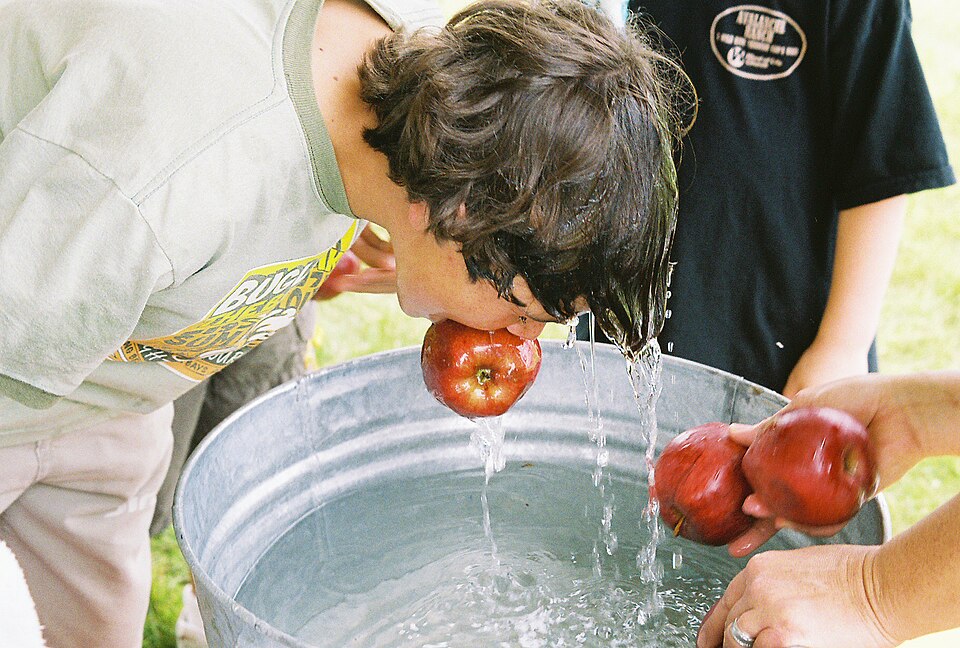
The Roman Empire conquered the Celtic territories, and by A.D. 43 two Roman festivals melded with the festival of Samhain: Feralia, a day in late October, was when the Romans commemorated the passing of the dead. Pomona was the Roman goddess of fruit and trees. The Romans also celebrated her in October. Her symbol was the apple, which is perhaps where the tradition of bobbing for apples on Halloween originated. Bits and pieces of each of these festivals became part of the celebrations held on October 31st. The origins of those traditions ultimately being mostly forgotten.
A Dash of Catholic Traditions
On May 13, 609, Pope Boniface IV established the Catholic feast of All Martyrs Day. In the 8th century, Pope Gregory III expanded that festival as a time to honor all saints and moved the day of observance from May to November 1. Soon after that, All Saints Day included some of those Celtic traditions, including bonfires, parades, and dressing up as saints, angels, and devils. People called the night before All Hallows Eve or Halloween.
A Sprinkle of European Practices
In England during these All Soul’s Day festivities, poor people would beg for food or money. Homeowners gave them pastries called “soul cakes” in return for their promise to pray for the homeowner’s dead relatives. The church encouraged the giving of soul cakes, hoping that it would replace the practice of leaving food or wine for roaming spirits. They called the practice of begging for these cakes “going a-souling.” Eventually children visited the houses to beg for ale, food, and money.
Mix With a New Nation
In colonial New England in America, rigid Protestant beliefs limited celebrations of Halloween. But the more southern colonies held different European immigrants with different beliefs and customs. Over time, Native American traditions also merged with Halloween traditions, creating a distinctly American version of Halloween.
In the late 1800s, the borrowed Celtic, Roman, European, and Native American molded the holiday into something that meant community and neighborly get-togethers focused on games, seasonal foods, and festive costumes. Social pressures encouraged everyone to take anything “frightening” or “grotesque” out of Halloween celebrations, which led to most of the superstitions and religious overtones of the festival being lost by the beginning of the 20th century.
Happy Halloween
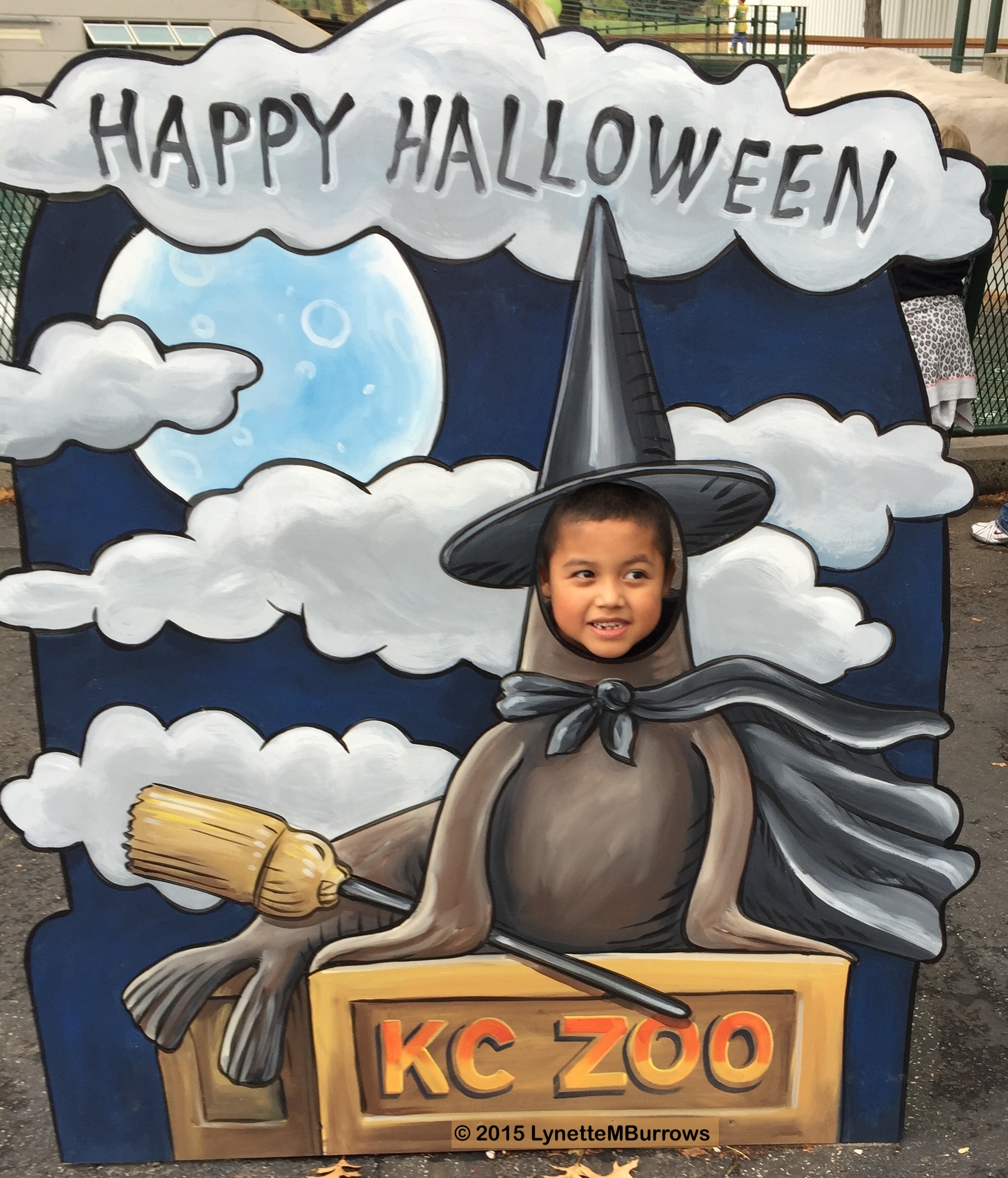
Over time, the festivities grew into a day of trick-or-treating, carving pumpkins, festive gatherings, wearing costumes, watching scary movies, and eating treats.
Bonus
For fun, I wrote a recap of the history of Halloween. If you’re interested, you can read my post, “A History of the Frightening & Fun Traditions of Halloween.”
For more detailed information about the evolution of Samhain to Halloween, read “The History of Halloween” on history dot com.
References
Image Credits
Featured image by EWilson (Volunteer), CC BY-SA 4.0, via Wikimedia Commons

Second image by Caleb Zahnd from USA, CC BY 2.0, via Wikimedia Commons

Final image by Lynette M Burrows
