Numerous states, cities, and school districts recognize Indigenous People’s Day, though it is not an official US federal holiday. It should be a federal holiday.
The indigenous people of the United States are historically and culturally important to our country. Heck, that’s true of all the peoples indigenous to each and every country in the world. We would not be here without them.
History of Indigenous People’s Arrival
Scientists estimate that the ancestors of the first indigenous people arrived in North America between 15,000 and 23,000 years ago. How do we know this?
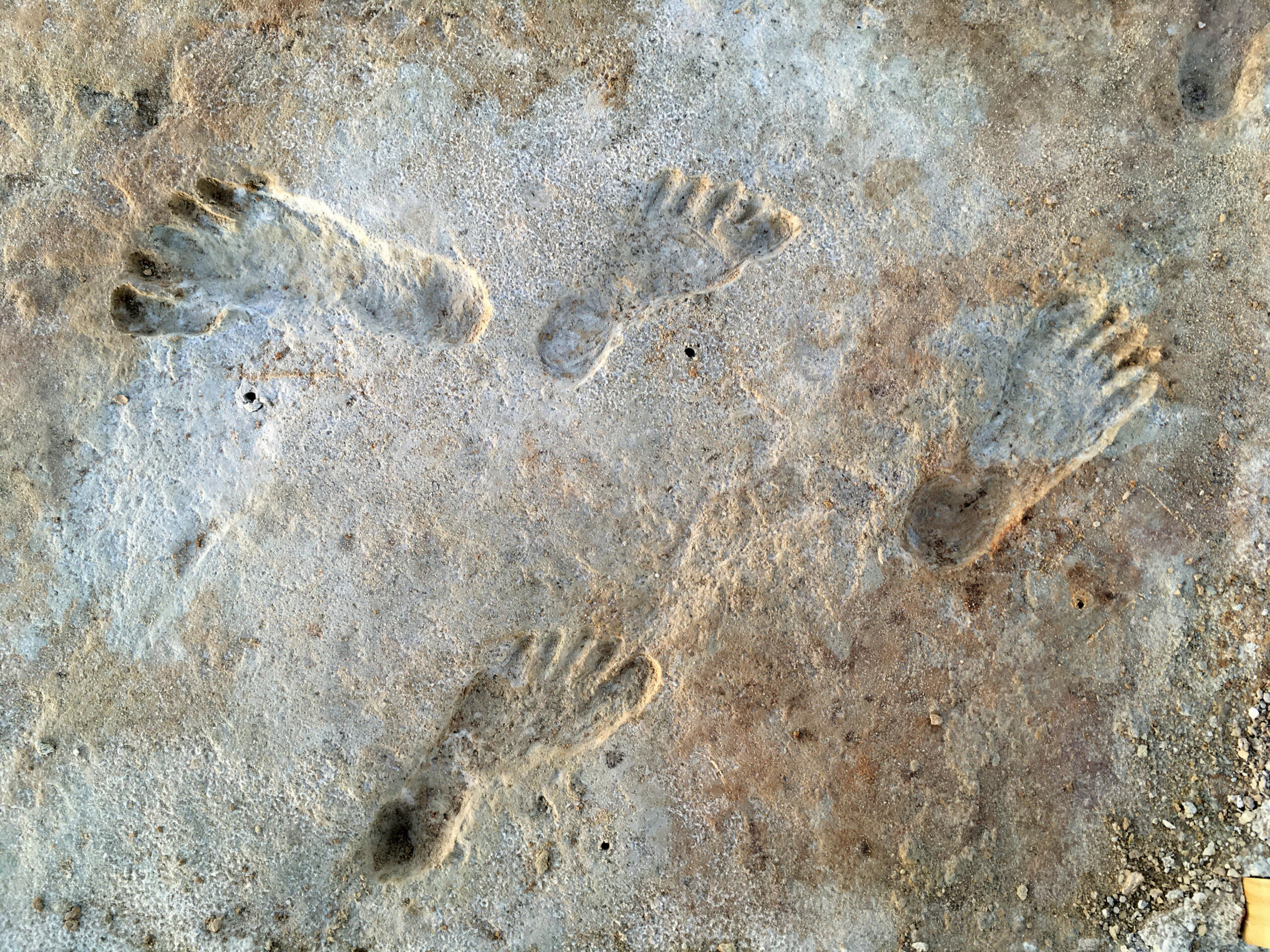
Around 22,000 years ago, the area around what is now known as White Sands National Park in New Mexico was a muddy grassland surrounding the ancient Lake Otero. Adults, teenagers and children left footprints in the mud. How do we know that? A group of scientists discovered footprint-like dark spots in the former lake bed in 2006. They dug them up in 2009. Radiocarbon dating showed that the footprints date back to 22,860 (∓320) and 21,130 (∓250) years ago. And in 2018 a woman and toddler’s footprints were discovered. And that’s not all.
A study from the University of Oxford (UK) did a statistical analysis of hundreds of fossil dates obtained from 42 archaeological sites in North America and Beringia (the ancient land bridge between North America and Asia). They also included the geological strata where they found those fossils in their data collection. Their computer-aided analysis revealed a chronology of human presence in North America that began over 30,000 years ago. Long before 1942.
Not only were indigenous people the first peoples of North America: observations of their culture, government, and daily life have become so ingrained in current-day culture that most of us do not know the origins of those things.
Farming
Indigenous farmers cultivated staple crops. Things like corn (maize), 14 different beans, squash, potatoes, tomatoes, peanuts, pumpkins, avocados, sunflower seeds, melons, and wild rice grown by indigenous farmers sustained early European settlers in the “New World.”
From the indigenous farmers, settlers learned sustainability techniques like the “Three Sisters” method of planting corn, beans, and squash together so they supported each other’s growth.
The tapping and use of maple syrup started with—you guessed it—indigenous people.
Adapted and Adopted From Indigenous Peoples
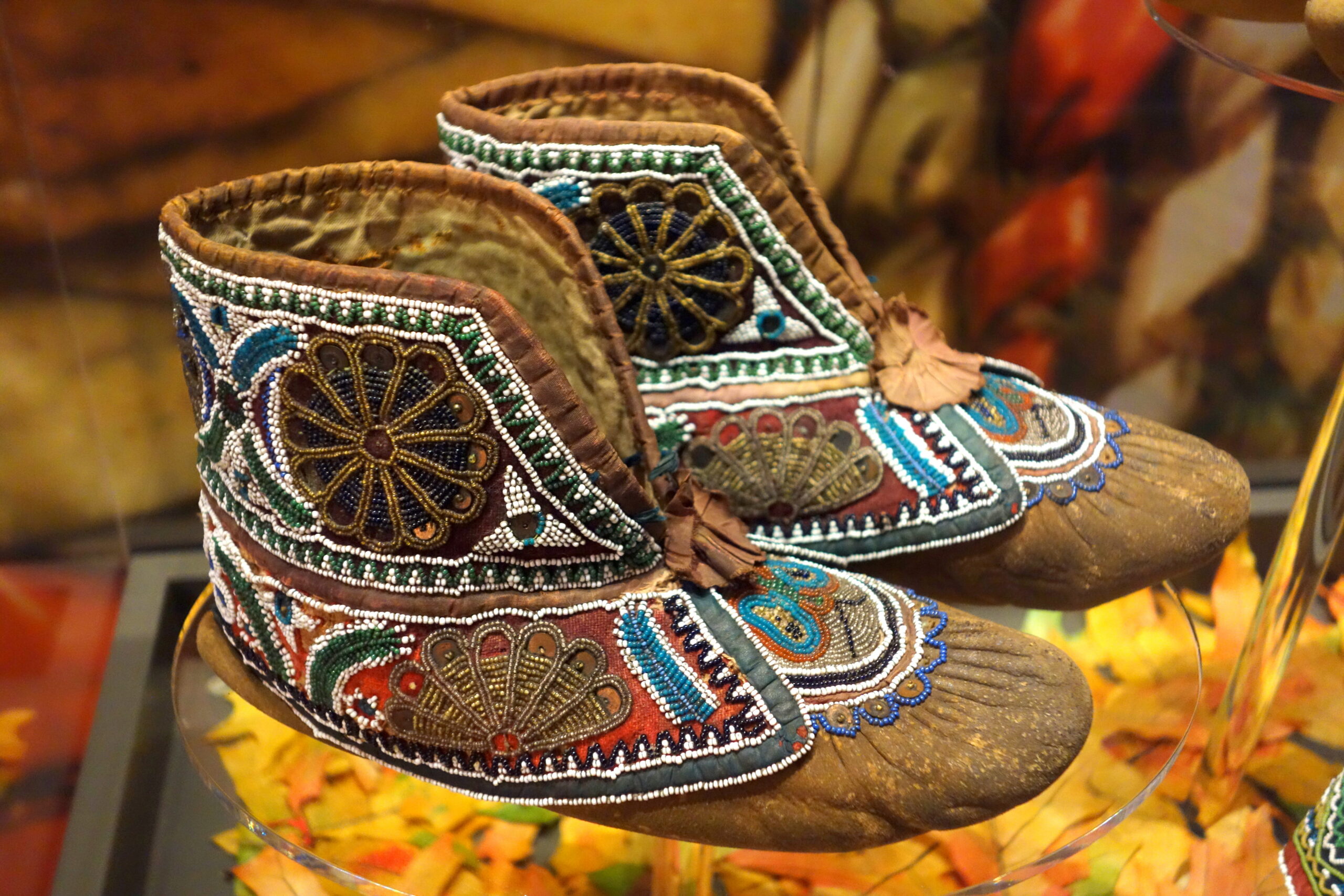
The making and use of snowshoes, kayaks, and hammocks are only a few of the things settlers learned from the indigenous people.
You know the terms “barbecue” and “moccasin.” Both are adopted from the first peoples of North America.
The humble log cabin many Americans and others see as a piece of Americana originated with an adaptation of the Indian log or longhouse.
Cotton was originally a resource used by the indigenous people of North America.
The first peoples of North America invented chewing gum.
Many of the games we enjoy today came from Native Americans. Games like tug-of-war, lacrosse, relay races, ball games and tobogganing.
Government
The Iroquois Confederacy of 1142 is the oldest living participatory democracy on earth. Founded by the prophet known as Aionwatha (Hiawatha), it originates from the belief that law, society and nature are equal partners. Thus it is a blend of law and values. The confederacy, which still operates today, originally included the Mohawks, Oneidas, Onondagas, Cayugas, and Senecas. It united the nations and created a peaceful means of decision-making.
To this day, each nation maintains its own council with a Chief chosen by the Clan Mother. That council deals with internal affairs but allows the Grand Council to deal with issues affecting the nations within the confederacy. Today’s Grand Council consists of fifty chiefs from the nations.
The Iroquois Confederacy inspired parts of the US Constitution. How do we know this? Benjamin Franklin said they borrowed the idea of giving certain powers to a central government and other powers reserved for the states from the Iroquois government.
Language
There are countless words we use today that originated with indigenous people. Many US towns, cities, and rivers have names borrowed from the languages of the first peoples to live here. But place names aren’t the only words we’ve absorbed into our lives. Other words include chipmunk, woodchuck, skunk, mahogany, and caribou. But spoken language isn’t the only language we learned from our indigenous peoples.
Sign Language
Most likely you’ve seen movies or television shows with “American Indians” who used sign language. They used sign language to communicate and trade with tribes who spoke an unfamiliar language. Today’s sign language for those who are deaf or unable to speak uses different signs, but the idea borrows from our native peoples.
Contributions to History
Most of us know about Sitting Bull, Geronimo, Pocahontas and Sacajawea, among others. Many of us also know about the code talkers and their incredibly important contributions to winning the war. But the individuals who have contributed to our history, culture, and society are innumerable. Many of those individuals were/are male, but this blog pays particular attention to women in history. This is a small sample of some of the indigenous women who we all should know:
Nancy Ward (Nanyehi) (1738-1822) Cherokee, political leader who advocated for peace during the American Revolution
Susan La Flesche Piccotte (1837-1915) Omaha. First Native American woman doctor.
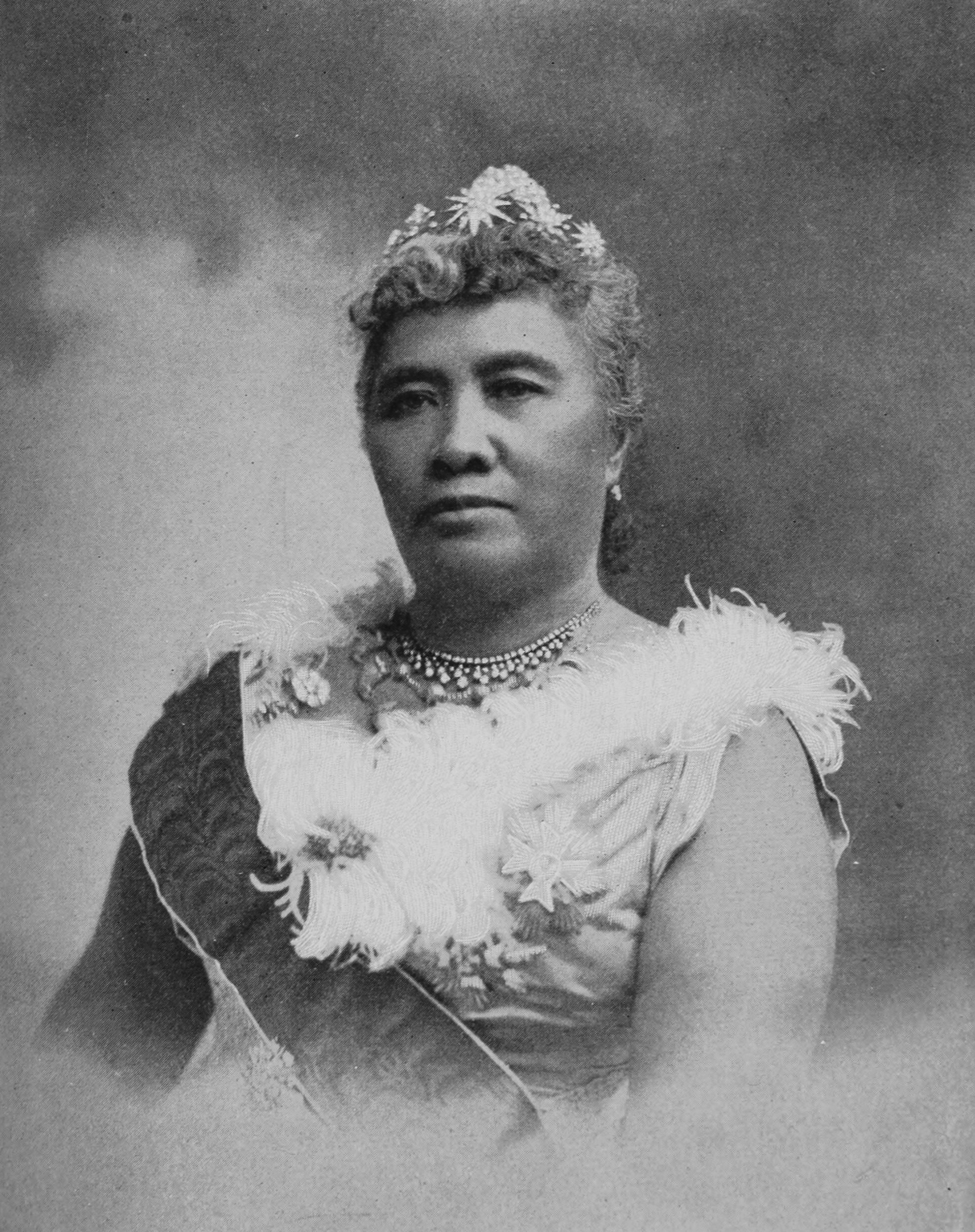
Queen Lili’uokalani (1838-1917) Native Hawaiian, first woman to rule Hawaii
Zitkala-Ša / Red Bird (1876-1938) Yankton Sious, Activist for Women’s & Indian Rights
Ruth Margaret Muskrat Bronson (1897-1982) Cherokee a Poet, educator, and Indian rights activist.
Elizabeth Peratrovich (1911-1958) Tlingit. Activist who fought against racial segregation signs like “No Natives Allowed.”
Wilma Mankiller (1945-2010) Cherokee Nation, First Woman Chief of a Major Tribal Nation
This list could go on, but the point isn’t the length. The point is there are many, we should thank and honor the indigenous peoples of our lands for the multitude of contributions they’ve made to history and humanity.
Honoring Indigenous People’s Day
This post offers a tiny sampling of the history people have ignored, not taught, and know little about for far too long. You’ve taken the time to read this far. Thank you. Now, take a few more moments to learn something new about the indigenous people in your portion of the world.
What indigenous people will you/did you learn more about today?
REFERENCES
IMAGE CREDITS
Featured Image – created by Lynette M Burrows Footprints by US Geological Service, Public domain, via Wikimedia Commons

Mocassins by Daderot, CC0, via Wikimedia Commons

Portrait of Queen Lili’uokalani George Prince, of Washington, DC, Public domain, via Wikimedia Commons


Lynette, this is a wonderful post. Although I’m as Anglo as anyone could be, I grew up in Alaska surrounded by Native people (Tlingit, Athabascan Indian, and others), feeling that this mix of people was quite natural. Some of my writing takes this experience and my family’s experience into account. I remain interested in Native American life, and my TBR list keeps growing. You are adding to it. Thanks.