
Are you paralyzed by the idea of using your creativity? At some point, everyone is…the blank page, the first stroke of the brush, the first cut of the paper, the first taste…. Maybe you’re afraid to start. Or you’re afraid to finish. Take a deep breath and remember: creativity, and you do not have to be perfect. It’s about more than creating a perfect product, to paraphrase The Climb sung by Miley Cyrus. It’s the ride.
Perfectionism Leads to Poor Self-Esteem
Perfectionism is a self-destructive and addictive belief system that fuels this primary thought: “If I look perfect, live perfectly, and do everything perfectly, I can avoid or minimize the painful feelings of shame, judgment, and blame.”
Brene Brown
Because the fear of shame and judgment and blame drives a perfectionist, it is a self-fulling destiny. Perfect is unattainable. So when you cannot reach perfection, you berate yourself before someone else can.
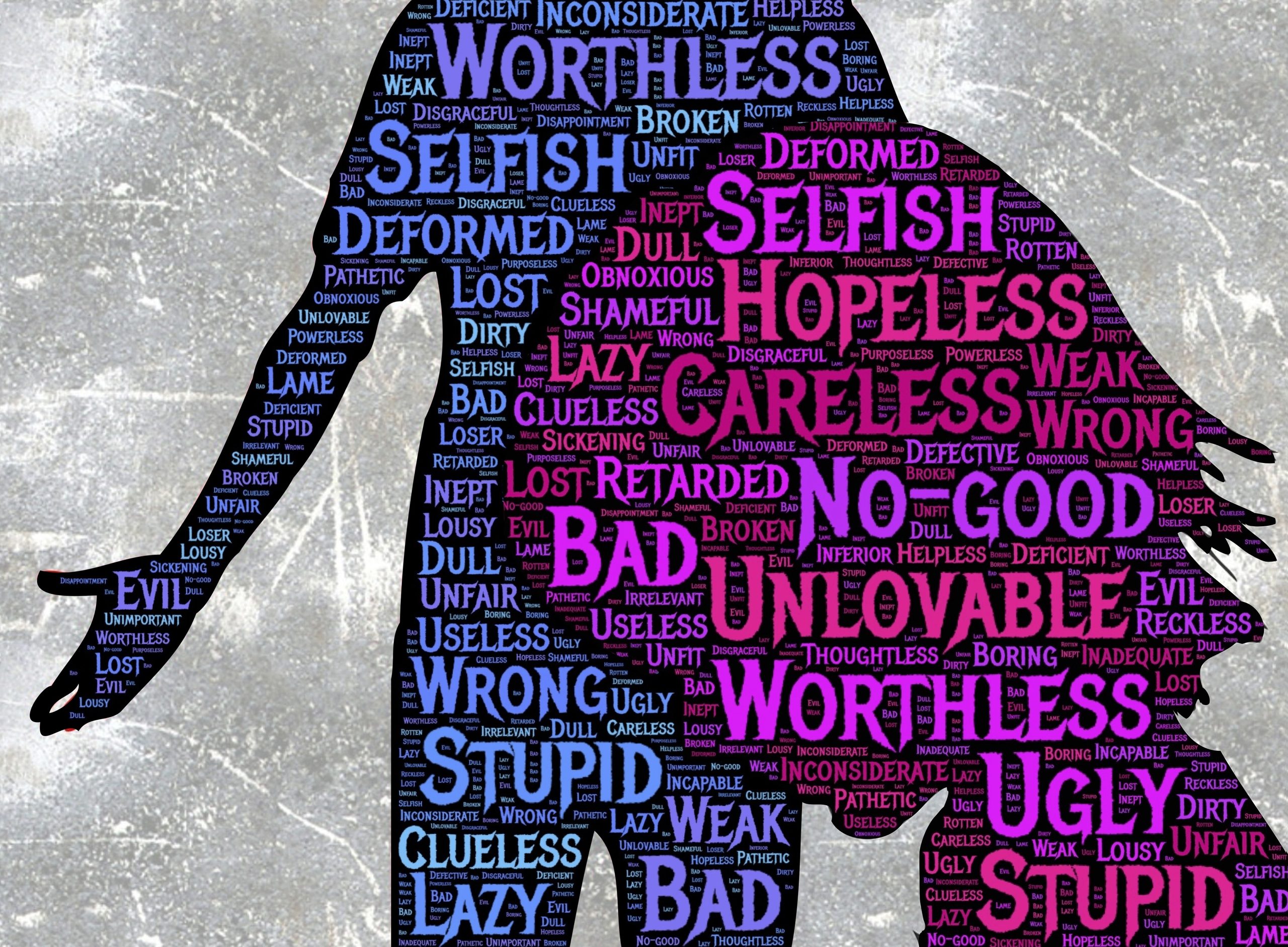
Shaming yourself is easy.
- See, I knew I couldn’t do it.
- I knew it; I don’t deserve this.
- Look at how bad that looks. Why did I ever think I could do this? I can’t do anything.
- So and so did it perfectly, I can never measure up. Might as well not try.
Self-shaming is contagious. Once we start, we find fault in everything we do. And that makes us feel bad. No one likes to feel that way so we find someone else to feel better than. Laughing at or pointing out the other’s mistakes makes you feel better for a moment. Because you’re not the one experiencing the pain. Your brain does a lot to protect you from that pain, including telling lies.
Your Brain is a Liar
No matter how long you’ve believed you must be perfect, it’s a lie. Your brain’s primary function aside from keeping you alive, is to protect you from potential harm. Read that qualifier again: POTENTIAL. It’s not actual or factual; it’s potential. The way your brain protects you from those potential harms is by fighting hard to keep the status quo. If nothing changes, you’re safe. So it assesses the potential for harm. That assessment is based on your personal experiences, biases, and perceptions of the world around you.
For example, if you grew up in a house where a raised voice always preceded physical violence, your brain will automatically register a raised voice as danger. Even when that voice is just trying to get attention or is a shout of joy, your brain will tell you to freeze, fight, or run and hide from the danger. Yup, that’s the fight, flight or freeze you learned about in school. But this response doesn’t always happen because of real threat you once faced.
Trying to convince you not to do something that feels new or scary or threatening, your brain can get stuck in a pattern of thinking negative thoughts. In psychology this is called cognition errors. Often also called Automatic Negative Thoughts or A.N.T.s., it’s one way your brain attempts to “con” you into believing it’s partial or untrue statements are real. It cons you into believing the lies it feeds you. Learn more about these cons on Psychology Today. Link below.
Protect Yourself from Perfect
A child draws and tells stories and creates things with abandon. We look at their imperfect creation and praise them for the beautiful thing they did. Why do we do that? Are we lying? No, we are praising them for trying. Encouraging them to keep trying.
You need praise, too. YOU are courageous for trying. For being creative. Tell yourself, look at what I did! Good job! Look at me go!
Remind yourself that being good at something only comes after a lot of work, a lot of practice. Yes, on rare occasions, a singer or artist or chef comes along with nearly perfect abilities from the get-go. But you know what? Most of them suffer from those negative thoughts, too. They see things they didn’t do as well as they wanted.
If friends or family devalue your work, remind yourself that you did a courageous thing. You tried. And that you ARE courageous enough, you’ll try again.
You can break the perfectionist habit. Psych Central offers ten ways to break perfectionism, celebrating your mistake is one of them. That’s right. Celebrate. Thank yourself for having the courage to learn from your mistakes. You are wiser now that you were. If that’s difficult to remember, post this quote above your workspace:
A mistake should be your teacher, not your attacker. A mistake is a lesson, not a loss. It is a temporary, necessary detour, not a dead end.
Anonymous
Tell Your Inner Critic Off
If you’ve got a strong inner critic, tell her off. Tell her, “I’m going to make this first attempt as crudely as I can and you can’t stop me anymore.” Or, “Yeah, it’s bad, but I learned how to do it better.” You can say, “Inner critic, all you know how to do is say how bad something is. You’re not protecting me, you’re hurting me. Go away!”
Even something as simple as “Quit lying to me” can work. Some behavior researchers suggest saying, “Brain, quit lying.”
Other ways you can use to turn off that inner critic include writing in a journal. Take a walk. Find a private place and yell at your inner critic. Record what you want to say to your inner critic.
Take a picture of your progress. And when your inner critic is making fun of you, pull out your early work and show that critic how brave you are and how far you’ve come.
Being Yourself IS Perfect

There is no one else exactly like you, not even if you have identical siblings. Your creative process will enrich you. That’s the best reason in the world to try and fail. If you try and succeed, even the tiniest bit, then you enrich yourself and someone else. Maybe lots of others.
Creativity is about more than what you produce. It’s about the process. The process allows you to explore your feelings, your thoughts, your imagination. It allows you to connect with your inner person. The process makes your inner creative sing or dance or soar. It fills you with a sense of wonder and joy and completeness.
It’s the Ride
Striving for excellence is not the same as perfectionism. When you are reaching for excellence, you take pleasure in working toward high standards. If you make a mistake, it’s okay. Excellence is a way of leveling up, perpetually. It’s saying you want to master this level of skill. If you don’t master it, it’s okay. You’ll work on it some more. Because it’s the striving toward the goal. It’s the process of learning and improving that gives you a sense of satisfaction and pleasure.
When you’re having a bad day, when the world is in flames and going down, give yourself the gift of imperfect creativity. You Don’t Have to be an Artist. Creativity and you don’t have to be perfect. Connect and the process will take you on a journey. It’s not about the creation: it’s the ride.
What do you do that gives yourself permission to enjoy your creativity?
References
The Climb, Miley Cyrus- YouTube
Image Credits
Featured Image by Anastasia Borisova from Pixabay
Second Image by John Hain from Pixabay
Final image photo purchased, typography and quote placement by Lynette M. Burrows
