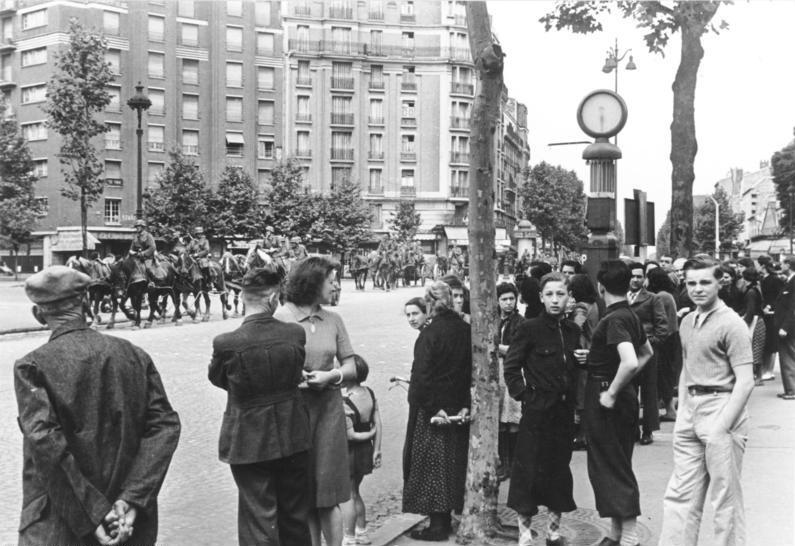
Novelists are often told, “write what you know.” That’s not quite right. They should learn what they don’t know. Then when they write, they write from a place of knowing. I wanted to write about everyday people who decide to fight for their freedom. So I turned to history again. I needed inspiration for my then in-progress novel, My Soul to Keep, the first book in The Fellowship Dystopia series. I looked for character inspiration from war and resistance. I found a lot more.
Google is my friend. I searched for resistance and freedom fighters. Scanning hundreds of articles about resistance groups or rebels or freedom fighters I looked for firsthand accounts. I read a lot of articles. Articles about the American Revolution, the Syrian Civil War, and the Polish, the Yugoslavian, the Dutch, and the French resistance fighters in WWII.
Syrian Civil War and Reality
There were two resources I returned to over and over again. I found a number of YouTube videos about the Syrian Civil War. These were videos not for the faint of heart. They showed the real brutality of war, the spirit of resistance, and the destruction of homes and lives. It also showed the resilience of the human spirit.
People lived in the ruins of cities under appalling conditions. Food and clothing were scarce. Once thriving shopping districts had been reduced to rubble. Rebels took refuge in tunnels under the cities. In the documentary I watched, there were times the rebels were under such heavy fire they could not leave those tunnels. Still, they found the spirit to sing songs and joke amongst themselves.
It ultimately lasted thirteen years, ending in December 2024 when rebel forces ousted President Bashar al-Assad, bringing an end to over four decades of Assad family rule.
I cannot find the video that seared itself into my brain today. But there are many enlightening documentaries still available.
Not for this book
The devastation of that war was not what my book, My Soul to Keep, needed. I filed away my notes and turned to another source.
My next resource was an audiobook. Resistance: Memoirs of Occupied France by Agnes Humbert narrated by Joyce Bean.
Agnés Humbert
Born to French senator Charles Humbert and English writer Mabel Wells Annie Rooke on October 12, 1894, Dieppe, France, Agnés spent her childhood in Paris. She studied art and design under Maurice Denis. During her studies, she met another student of Denis’, her husband-to-be, Georges Hanna Sabbagh. They divorced in 1934.
Agnés, who studied art history, worked as an art historian at the Musée national des Arts et Traditions Populaires, hen at the Palais de Chaillot in Paris. Her first publication was a book on the painter Louis David, published in 1936. She broadcast on art on Radio Paris at the start of 1936.
The Audiobook
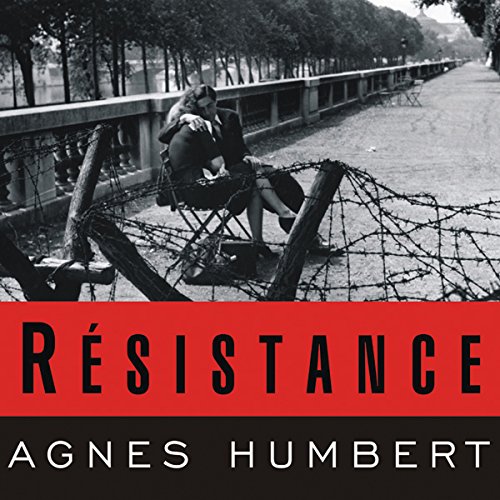
On June, 14 1940, the Germans occupied the city of Paris. From that day on, Agnés kept a diary. The audiobook relies on that diary as one of its primary sources.
Agnés oversaw the packing of the art in the museum where she worked. Then there was little more to pack and her boss sent her home.
Resistance
She went home, packed up, and left the city to be with her mother at the house of her cousin at Vicq-sur-Breuilh. But she couldn’t stand the idea of leaving her home to the Germans. On August 6, she wrote in her diary that she told her colleague Jean Cassou, “I feel I will go mad, literally, if I don’t do something.”
With Jean Cassou, and several other colleagues and members of the Museum, she formed the “Groupe du musée del’Homme. A bunch of regular people who couldn’t bear to watch what was happening to their city and nation. It is counted as the first resistance movement in occupied France. As regular folk, they weren’t warriors or strategists or terribly security-minded. They did what they could with what little they had.
They developed a network. Everyday folk milled around at train depots and shops listening to soldiers talking. They questioned people passing through town. Surreptitiously they printed a newsletter they called Résistance. They reported what news they had, movement of troops if they could. They circulated it under the noses of German soldiers.
Betrayal
Eventually, they were betrayed to the Gestapo. Agnés was imprisoned. She faced days of uncertainty and interrogation. Eventually, she was transferred to the first of several labor camps. She relates, in detail, what life in labor camps was like. She talks about how meager food rations and clothing were. The prisoners were forced to work when ill or injured. Punishments for failing to work were severe.
Agnés managed to steal and hide scraps of paper. She recorded her activities and thoughts. Had her notes been found she would have been killed. Seven of her friends were executed. She survived.
The audiobook is engrossing and horrifying. Yet, through it all, Agnés had a brave, witty, and compassionate attitude. I highly recommend listening to this one.
What I Learned
My research revealed that a woman made a difficult decision and grew into a strong woman who survived despite everything. It also revealed that everyday people don’t make the best military-minded decisions. But their lack of military know-how is part of what helped them endure. This is the story of Agnés Humbert, a strong woman and part of my inspiration. From WWII and the resistance in Syria and France, I recreated war and resistance in My Soul to Keep.
Have you read about real resistance fighters? Which ones? What did you learn from your reading?
Resources:
Resistance: A Frenchwoman’s Journal of the War, Audiobook also available as Kindle, paperback, and hardcover book.
Image Credit
Featured Image: Bundesarchiv, Bild 101I-126-0346-34A / Gutjahr / CC-BY-SA 3.0, CC BY-SA 3.0 DE, via Wikimedia Commons
